Our Founding Story and Editorial Commitment
We started this journal after noticing how much writing about art and artificial intelligence was itself beginning to sound machine-made: vague, repetitive, and short on anyone you could actually name. We wanted a place where every claim about a painter's process or a studio's new tool was traceable back to a real conversation.
We work with a short list of writers and researchers, most of them within reach of our studio on Gloucester Road, and we check sources against archive records, exhibition catalogues and direct interviews before anything is published. A second editor reads every piece against the original notes, which slows us down but keeps the work honest.
We don't run sponsored placements, and we tell readers plainly when a piece grew out of a reader's question. If something we publish turns out to be wrong, we fix it in public within the 30-day window we commit to, with a short note explaining the change.
Independence
We turn down sponsored placements so that what gets published depends on an editor's judgement, not a brand's budget. Readers can trust that a piece ran because we believed in it.
Craftsmanship in Writing
We treat an essay the way a printmaker treats a plate, worth several passes before it's finished. Drafts get reworked until the argument holds together on its own.
Transparency with Readers
We name our writers, show our sources and tell readers when a piece came from a reader's question. When we get something wrong, we say so in public.
What We Hold To
Independent Editorial Voice
We don't run sponsored placements, so a piece is published because an editor backs it, not because someone paid for the slot.
Named Writers Only
Every byline belongs to a real person with a traceable body of work, never a house name or an unnamed team.
Slow, Careful Editing
A piece gets held back a week rather than rushed out if we're not confident in a claim.
Bristol-Based Newsroom
Our small team works out of one studio on Gloucester Road, which keeps the editing process close and accountable.
Reader-Suggested Topics
A good share of each month's list comes straight from letters and emails sent in by readers.
Open Correction Policy
When we get something wrong, the fix is posted in public with a note explaining what changed.
We check who said what, when, and where before a single word goes out under our name.
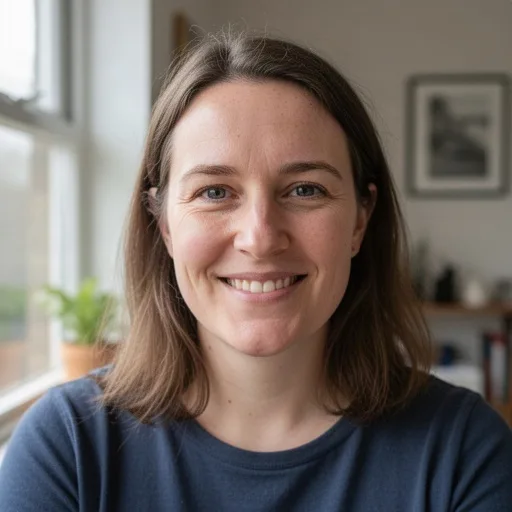 Eleanor HartleyResearch Editor
If we can't trace a claim back to a person or a document, it doesn't go in the piece.
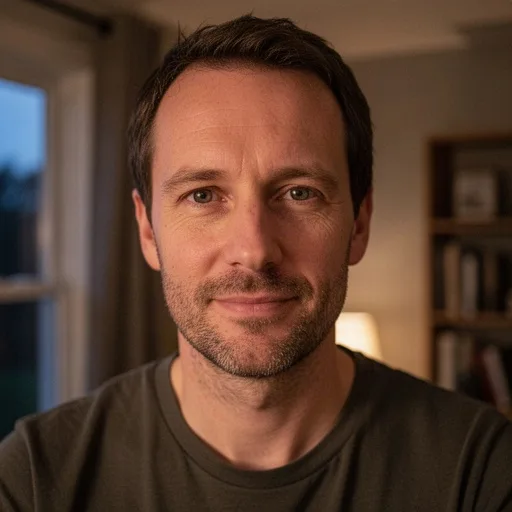 Thomas WardFact-Check Editor
We started this journal because most writing on art and AI reads like it was generated by the thing it describes. We check every claim against a named source and a real conversation before it goes anywhere near your inbox.
Contacts