
Pigment & Process
ARTICLES
How We Test Whether an AI Tool Belongs in Our Studio
Studio Practice8 min read

How We Test Whether an AI Tool Belongs in Our Studio

You'll learn a simple trial we run before letting any new software near a finished piece, so a tool earns its place rather than just arriving with a trend. By the end you'll have a short set of questions to ask of any program, from a sketching app to a generative model, before it touches your working files.

Latest From the Studio

All articles
Building a Reference Library: Sketchbooks Versus Prompt Logs
Studio Practice 8 min read

Building a Reference Library: Sketchbooks Versus Prompt Logs

You'll learn how to keep two different kinds of records side by side, a physical sketchbook and a written log of prompts, so neither one disappears into the other. We share the system we use to find an idea again months later, whichever form it started in.
What Gets Lost When We Skip the Drawing Stage
Materials & Meaning 7 min read

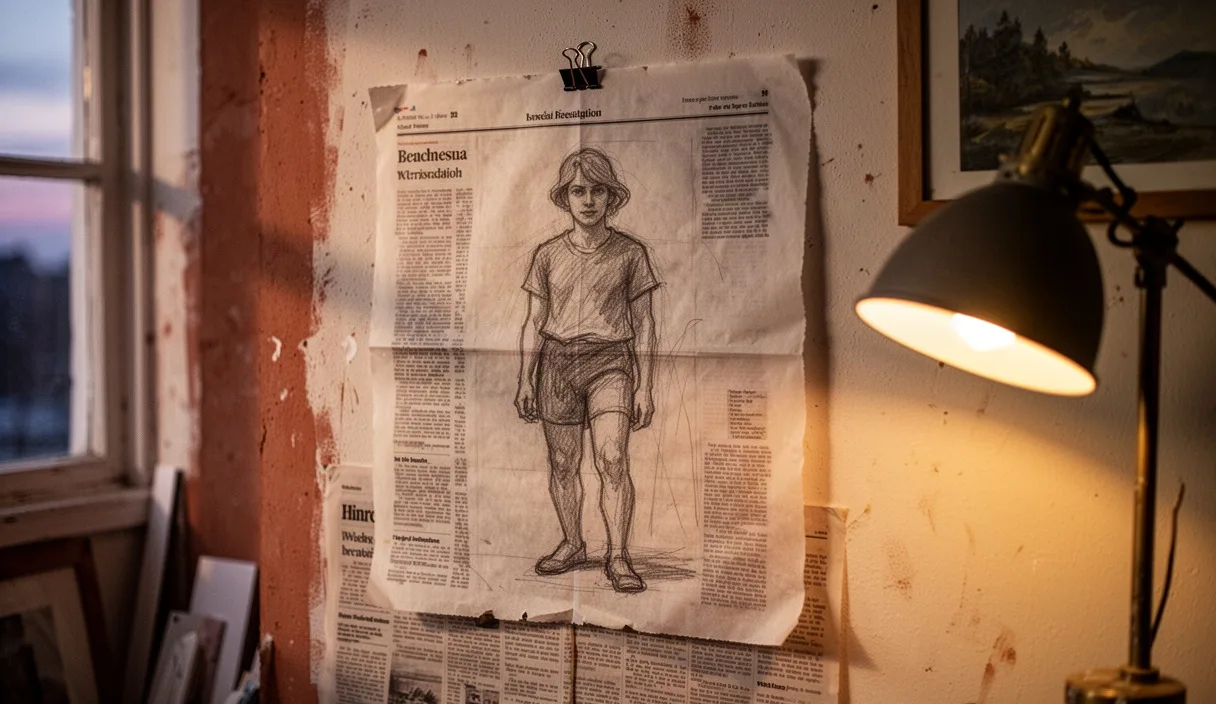
What Gets Lost When We Skip the Drawing Stage

You'll see what tends to go missing from a finished piece when the preparatory drawing is generated rather than drawn by hand, from awkward anatomy decisions to the small corrections that teach you something. We tested this on three subjects to find out what the shortcut actually costs.
Printmaking and AI Upscaling: Where the Two Processes Meet
Hand & Machine 8 min read

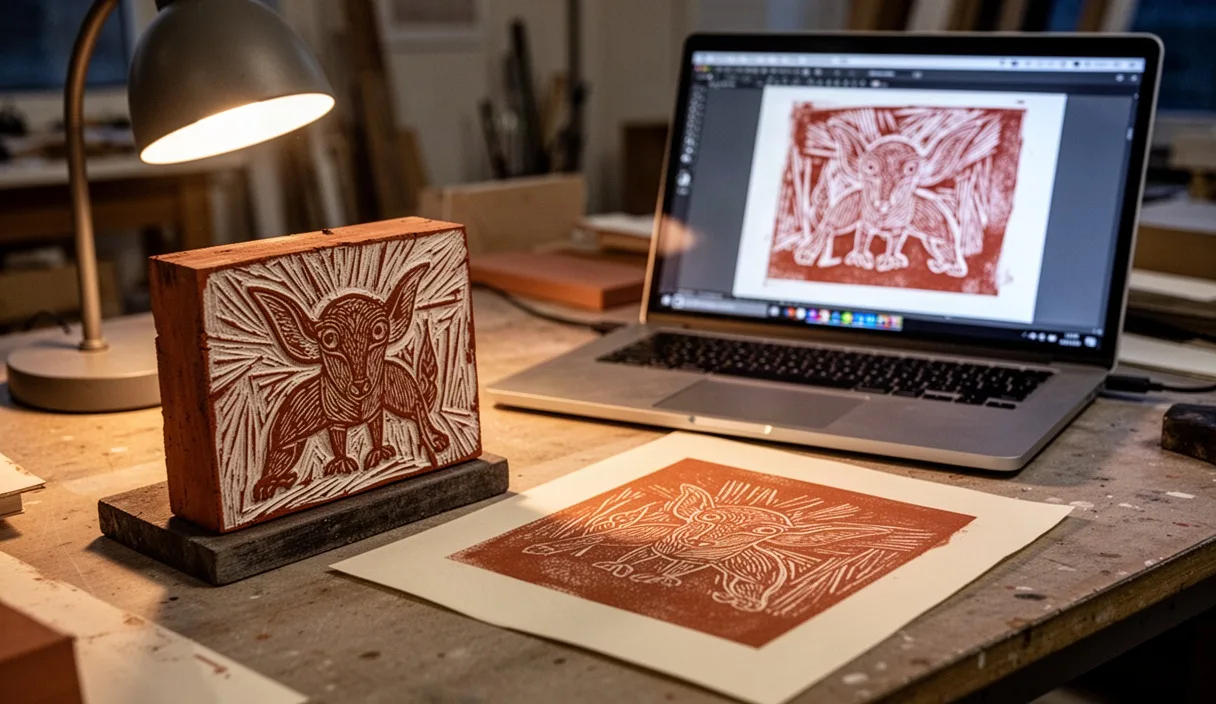
Printmaking and AI Upscaling: Where the Two Processes Meet

You'll learn exactly where an AI upscaler can help a print workflow, such as preparing a digital file for a large plate, and where it starts to work against the medium. We tested it across linocut, etching and screen print to see which stage benefits most.

How to Credit AI Tools in an Artist Statement
Studio Practice 9 min read

How to Credit AI Tools in an Artist Statement

You'll get a workable way to describe which tools touched your piece and at what stage, written in plain language rather than vague disclaimers. We show you drafts from our own statements so you can see what specific crediting actually looks like.

Reading a Painting's Surface: A Checklist for Students
Looking Closely 9 min read

Reading a Painting's Surface: A Checklist for Students

You'll learn a short sequence for examining any painted surface up close, from raking light checks to looking at edges where colors meet. We use this with students before they ever discuss style or meaning.
Clay, Pixels and Patience: Comparing Three Ways to Make a Form
Hand & Machine 8 min read

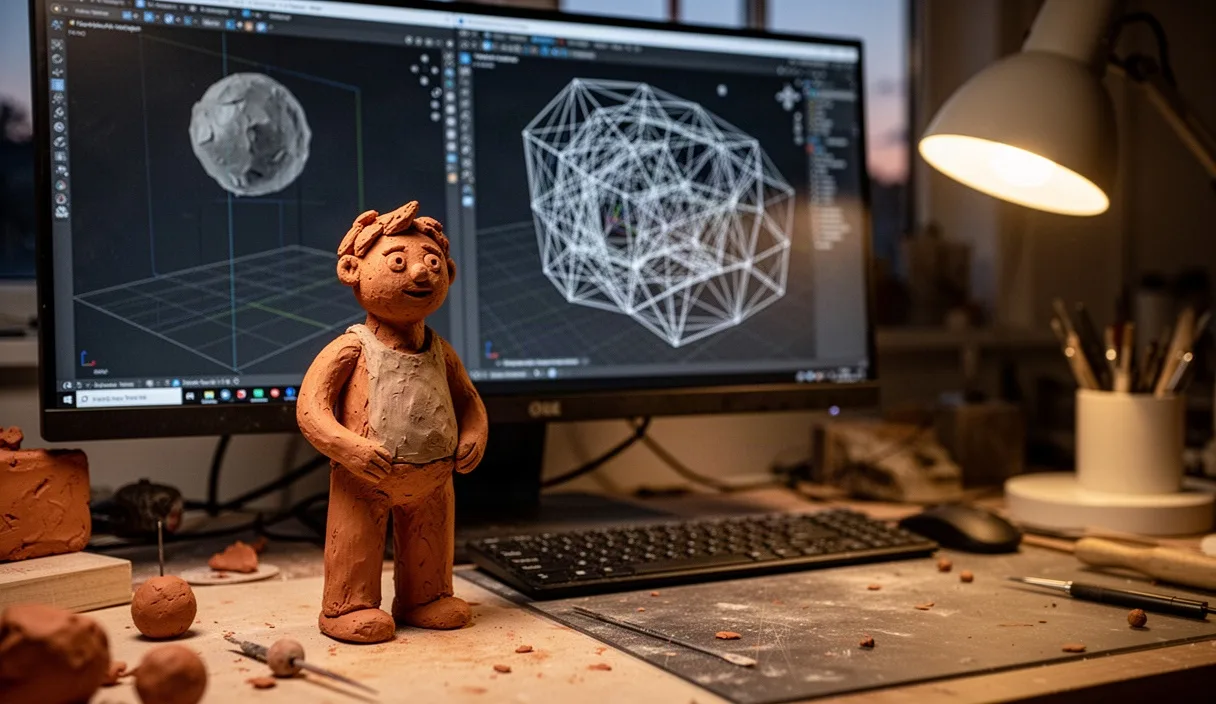
Clay, Pixels and Patience: Comparing Three Ways to Make a Form

You'll follow the same small figure made three ways, hand-built in clay, modeled in 3D software, and generated through an AI image-to-mesh tool, to see what each method asks of you. We compare the time, the control and the surprises each route produced.

Editors' picks

Long reads

Why Texture Still Matters When Images Are Infinite
Materials & Meaning9 min read

Why Texture Still Matters When Images Are Infinite

You'll understand why the ridge of dried paint or the grain of pressed paper still carries information no screen can hold, even as generated images multiply without limit. We look at what texture actually communicates to a viewer standing close to the work.

Printmaking and AI Upscaling: Where the Two Processes Meet
Hand & Machine8 min read

Printmaking and AI Upscaling: Where the Two Processes Meet

You'll learn exactly where an AI upscaler can help a print workflow, such as preparing a digital file for a large plate, and where it starts to work against the medium. We tested it across linocut, etching and screen print to see which stage benefits most.

Browse by topic

More on Materials & Meaning

Explainers on why physical material still matters when digital images are endless.

Every piece we've written on this topic
Why Texture Still Matters When Images Are Infinite
Materials & Meaning 9 min read

Why Texture Still Matters When Images Are Infinite

You'll understand why the ridge of dried paint or the grain of pressed paper still carries information no screen can hold, even as generated images multiply without limit. We look at what texture actually communicates to a viewer standing close to the work.

What Gets Lost When We Skip the Drawing Stage
Materials & Meaning 7 min read

What Gets Lost When We Skip the Drawing Stage

You'll see what tends to go missing from a finished piece when the preparatory drawing is generated rather than drawn by hand, from awkward anatomy decisions to the small corrections that teach you something. We tested this on three subjects to find out what the shortcut actually costs.

More on Studio Practice

Practical how-to pieces on fitting AI tools into a working art practice without losing your own hand in it.

Every piece we've written on this topic
Building a Reference Library: Sketchbooks Versus Prompt Logs
Studio Practice 8 min read

Building a Reference Library: Sketchbooks Versus Prompt Logs

You'll learn how to keep two different kinds of records side by side, a physical sketchbook and a written log of prompts, so neither one disappears into the other. We share the system we use to find an idea again months later, whichever form it started in.

How to Credit AI Tools in an Artist Statement
Studio Practice 9 min read

How to Credit AI Tools in an Artist Statement

You'll get a workable way to describe which tools touched your piece and at what stage, written in plain language rather than vague disclaimers. We show you drafts from our own statements so you can see what specific crediting actually looks like.

Write to the Editors

Send us a question, a correction, or a topic you think we're missing, we read every message ourselves.

Send us a message

Working hours: Mon-Fri 09:00-18:00
Expected response time: We write back within one business day